Latest Info on Malawi gov spend, Public Purchasing, Govt budget & Public spending
- Home >
- Public Procurement
Public Procurement in Malawi
Public Procurement in Malawi is a critical component of public financial management and government service delivery in a low-income economy with significant development needs. Government procurement supports the delivery of essential public services, infrastructure development, and the implementation of donor-funded programs across key social and economic sectors.
The procurement system in Malawi operates under a structured legal and institutional framework, with oversight responsibilities assigned to a dedicated regulatory authority. Public procurement activities are conducted by ministries, departments, and public entities in accordance with national legislation, regulations, and prescribed procurement procedures.
For domestic suppliers, regional contractors, and international firms, government tenders in Malawi represent an important market opportunity. Procurement is particularly active in health, education, infrastructure, agriculture, and public administration, with a strong presence of development partner-financed projects.
Country & Economic Overview
| Country | Malawi |
| Region | Sub-Saharan Africa |
| Population | 20,405,317 (2024) |
| Income Level | Low-income economy |
| Currency | Malawi Kwacha (MWK) |
| GDP | USD 14.6 billion (2024) |
| GNI | USD 14.2 billion (2024) |
| GNI per Capita | USD 670 (2024) |
Malawi’s economy is characterized by high poverty levels, dependence on agriculture, limited industrial capacity, and significant reliance on external financing. Public procurement therefore serves as a key channel through which government expenditure and development assistance are translated into public goods, infrastructure, and social services.
Public Procurement Governance Framework
The governance of public procurement in Malawi is overseen by an independent regulatory authority, with procurement operations carried out by procuring and disposing entities across government.
| Public Procurement Agency (PPA) | Public Procurement and Disposal of Assets Authority (PPDA) |
| Is PPA a Central Purchasing Body | No |
| Central Purchasing Body (CPB) | Central Medical Stores Trust |
| Sector Covered by CPB | Health |
| Relevant Ministry | Ministry of Health and Population |
The PPDA is responsible for regulation, oversight, monitoring, and capacity development, while individual procuring entities conduct procurement in line with approved procedures and thresholds.
Legal & Regulatory Framework
The public procurement law in Malawi is governed by the Public Procurement and Disposal of Assets legal framework, supported by detailed regulations. The law establishes procurement principles, methods, institutional roles, and accountability mechanisms.
- Value for Money: Section 30
- Most Economically Advantageous Tender (MEAT): Section 44
- Sustainability: Section 5
- SME Participation: Section 36
- Public Bid Openings: Section 43
- Domestic Preference: Section 44
The legal framework also defines complaint handling procedures, standstill periods, disclosure obligations, and tender advertising requirements.
Procurement Procedures & Thresholds
Procurement in Malawi follows legally defined procedures and thresholds as stipulated in the public procurement legislation and regulations.
- Open competitive bidding is the default procurement method.
- Direct procurement is permitted under Section 37 for defined circumstances.
- Standstill periods for goods, works, and services are regulated under Section 48.
- Complaint resolution timelines are defined under Section 59.
- Tender advertisement timelines are regulated under Section 42.
Contract award information is subject to disclosure requirements to enhance transparency and accountability.
E-Procurement System in Malawi
Malawi does not currently operate a fully implemented national eProcurement platform for transactional procurement. Tender documents are not downloadable through a centralized electronic system.
Procurement information is disseminated through official notices and institutional channels in accordance with legal requirements.
Procurement Market Characteristics
Public procurement in Malawi covers a broad range of goods, works, and services, with significant involvement of development partners.
- Goods: Medical supplies, agricultural inputs, equipment, and consumables
- Works: Roads, public buildings, water and sanitation infrastructure
- Services: Consulting, non-consulting, and technical assistance services
Small and medium-sized enterprises participate actively in public procurement, with recorded awards to SMEs totaling 171 contracts valued at USD 12,484.6.
Transparency, Complaints & Oversight
The procurement framework in Malawi includes formal mechanisms for oversight and complaint resolution. The PPDA publishes procurement reports and provides regulatory supervision to ensure compliance with the legal framework.
Public procurement annual reports are available through official PPDA channels, contributing to transparency and institutional accountability.
Sustainability & Green Public Procurement
The public procurement legal framework in Malawi includes sustainability considerations as part of procurement objectives. These provisions allow environmental and social considerations to be incorporated into procurement decisions where applicable.
Social & Ethical Procurement Considerations
Public procurement legislation in Malawi promotes participation of small and medium-sized enterprises. Specific statutory requirements for women-owned businesses, disadvantaged groups, or ethical sourcing are not explicitly defined in the available legal provisions.
Key Challenges & Practical Insights for Bidders
- High dependence on donor-funded procurement
- Capacity constraints within procuring entities
- Foreign exchange and macroeconomic volatility
- Limited use of electronic procurement tools
Practical bidding tips
- Follow PPDA guidelines and standard bidding documents closely.
- Monitor donor-funded project pipelines and health-sector tenders.
- Ensure strict compliance with bid security and submission requirements.
- Build local partnerships to strengthen bid responsiveness.
Overall, Public Procurement in Malawi provides a regulated and transparent procurement environment that supports competition, accountability, and participation by domestic and international suppliers.

Flag of Malawi
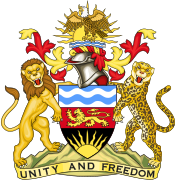
Emblem of Malawi
Capital
Lilongwe
ISO 3166 Code
MW
Population
16,310,431
Area, Sq KM
118,480
Currency
Kwacha
GDP, Billion USD
4,264
Language
English, Chichewa
GDP Growth Rate, %
5.5
Inflation, Avg CP, %
-
Interest Rates, %
-
Unemployement Rate, %
-
Exchange Rate, 1 USD Equals
432.81
International dial code
265
Time ZONE
GMT+02:00
Internet TLD
.mw
Get FREE SAMPLE TENDERS from Malawi in your email inbox.
Copyright © 2014-2026 MalawiTenders.com. All Rights Reserved.